Physical Gold Investment: Complete Guide to Buying, Storing, and Selling

Learn how to invest in physical gold, its advantages, how to buy, store, and sell securely during economic uncertainty.
Learn how to invest in physical gold, its advantages, how to buy, store, and sell securely during economic uncertainty.
Investing in physical gold has gained prominence in recent years, especially during times of economic uncertainty and market volatility (source). This asset has proven to be a store of value and a secure option for long-term wealth preservation, thanks to its tangibility and independence from the traditional financial system (source).
Due to its importance as an investment asset, we will present the advantages, disadvantages, and recommendations for investing in physical gold.
Physical gold refers to the tangible possession of this precious metal, whether in the form of bars, coins, or jewelry (source). The main difference compared to "paper gold" (ETFs, futures, derivatives) is that the latter only represents financial rights over gold without actual possession (source).
The differences also lie in their properties and associated risks:
The advantages of investing in physical gold include preserving value against inflation and crises, protection against systemic and banking risks, and international liquidity, as it is globally accepted as both a means of exchange and a store of value (source).
Furthermore, physical gold stands out in times of financial crises, high inflation, geopolitical uncertainty, and as a tool for portfolio diversification (source).
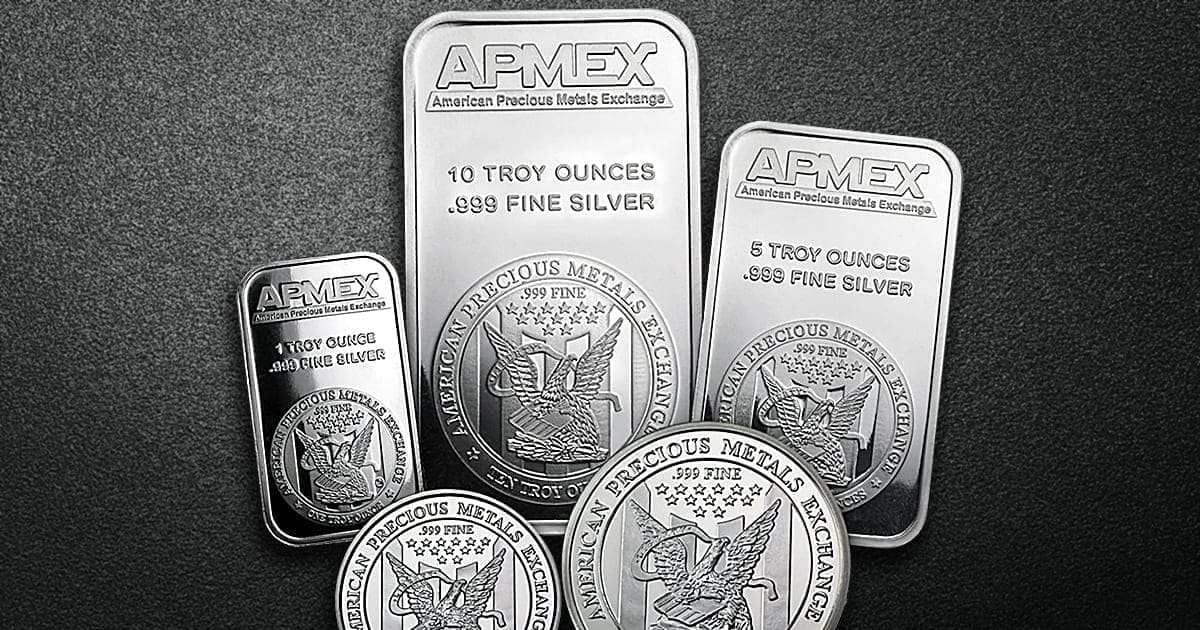
The most common way to obtain physical gold is by purchasing gold bars or investment coins:
The choice between bars and coins depends on the investor's profile and goals. If you seek flexibility, coins are usually preferable; however, if your aim is wealth accumulation, bars may be more cost-effective.
When acquiring physical gold, you should focus on several essential factors:
Although buying physical gold is straightforward, it does require preparation and knowledge. In the second part of this guide, we will provide information on how and where to securely store your gold investment, what precautions to take, and the best ways to sell physical gold. We invite you to continue reading to maximize your profits and protect your investment.
Once you have acquired physical gold, it is vital to find a secure and convenient storage solution. Below are several options and considerations.
If you choose to store your gold at home, ensure you have a secure area that is not easily accessible to outsiders. The best option is a safe that complies with recognized security standards. Additionally, having a robust home security system, such as alarms or surveillance cameras, is important. You might also consider obtaining specialized insurance for your precious metals.
Keep in mind that while storing gold at home provides immediate access, it also exposes you to a higher risk of theft.
If you prefer not to keep physical gold at home, renting a safety deposit box in a bank or using a specialized private vault is a good alternative. These services offer a high level of security and usually include insurance to cover your investment in the event of theft or damage (source). However, these options may incur significant costs and can limit your immediate access to your gold.
Investing in physical gold requires caution to avoid fraud and protect your investment. Here are some key tips:
The optimal time to sell physical gold depends on your personal needs and market conditions. Here's a guide to help you do it effectively:
Gold prices fluctuate continuously and are influenced by the global market. It is best to consult real-time prices to understand the current value.
In the European Union, investment gold is exempt from VAT. However, you may be liable for taxes upon selling the gold, depending on your country of residence.
Depending on local regulations, you might need to declare your gold investment on your tax return. Consulting a tax advisor is recommended for proper guidance.
Yes, owning and storing gold at home is perfectly legal. However, it is crucial to implement adequate security measures to protect your asset.
Investing in physical gold offers a safe haven that can provide security and diversification during economic uncertainty. Keeping in mind the considerations outlined in this guide will help you make informed decisions regarding the purchase, storage, and selling physical gold.
Remember, it is always important to compare options, stay informed about market trends, and proceed with caution. This approach will enable you to maximize your returns and safeguard your valuable investment.