The Best Metal Investment: What to Learn for 2025

Discover the best metal investment for 2025, including gold, silver, and rare metals. Get key tips and understand the associated risks.
Discover the best metal investment for 2025, including gold, silver, and rare metals. Get key tips and understand the associated risks.
Key Points
Introduction
Metal investments have always been a paramount issue in the financial world. In particular, the question of what is the best investment in metals is one of the most frequently asked in modern times, especially given the growing importance of metals in diversified portfolios. As we approach 2025, it becomes essential for investors to be armed with precise and up-to-date information about the most interesting and secure options in the field of metal investing.
Taking a look at the current global economic scenario, we can observe new investment trends in metals that will shape the year 2025. Major economic factors are actively influencing the prices and demands of both precious and rare metals. This is why, despite the volatility of other financial assets, metals continue to be regarded as safe havens for investors. The increase in metal demand is not a mere coincidence, but a direct response to the growing volatility and uncertainties in global financial markets.
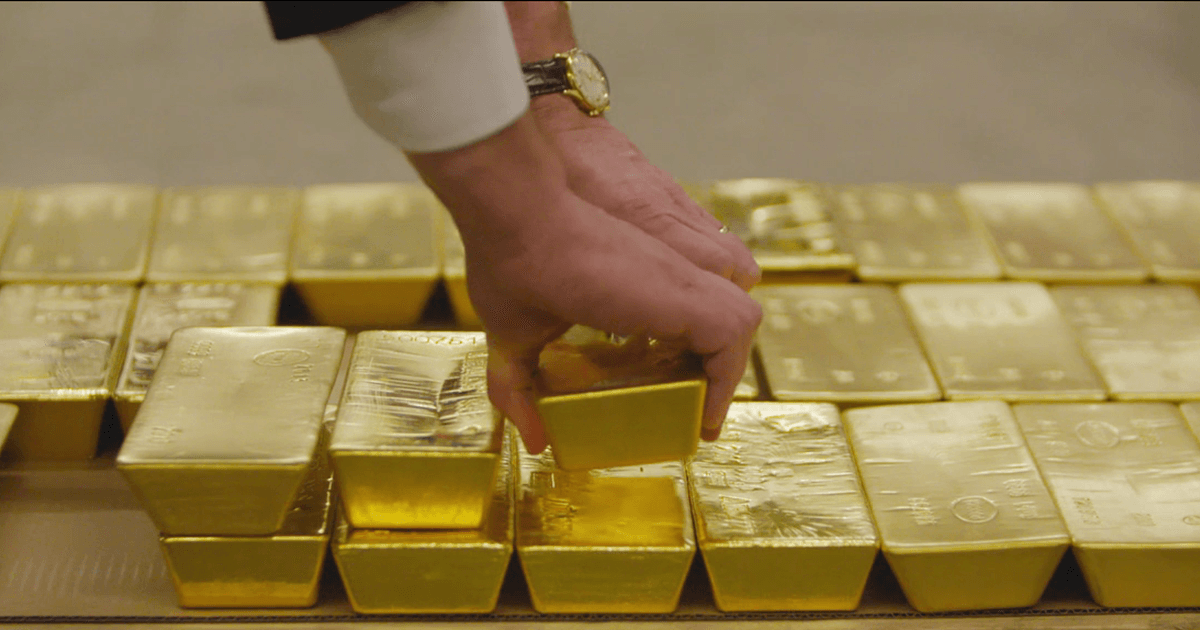
When it comes to traditional investment metals, gold remains a solid choice for 2025 for the most obvious reasons: its ability to retain value during economic turbulence. According to experts, the advantages of buying gold bars remain superior to other investment methods, affirming its position as a safe asset and a solid investment.
On the other hand, silver — often regarded as gold’s premium sibling in metal investments — presents an interesting duality as it plays a significant role both in the industrial sector and as a store of value. Investing in silver has offered potential for appreciation along with a variety of advantages and risks that differ from those of gold, providing a broad perspective on the specific opportunities in this sector.
Beyond traditional precious metals, rare and alternative metals are emerging as new protagonists in the world of metal investing. Lithium, palladium, and rhodium, to name a few, are becoming particularly popular due to their growing profit potential and high volatility. Looking ahead to 2025, the increasing interest in technology and ecological advancements is expected to further boost the demand for these rare metals, creating a focal point for investors eager to explore new opportunities. (Source: https://suissegold.com/en/posts/macro-economic-trends-precious-metals-market-2025)
Investing in metals, whether precious or rare, always comes with risks, and it is essential for investors to take appropriate measures to mitigate them. Some tips for investing in metals in 2025 include diversifying across different metals, safe purchasing primarily through recommended channels for acquiring physical metals like bars, and considering alternatives such as ETFs, funds, and other derivatives. In practice, factors such as storage, liquidity, and taxation must be taken into account.
It is crucial to consider the inherent risks of investing in precious metals. One of the main risks is price volatility. This is especially relevant for rare metals, which can experience dramatic price fluctuations over short periods.
In addition, investors should be wary of regulatory and custody issues. The secure storage of physical metals is one of the key challenges these investments face. A detailed analysis of custody options and the security policies of providers is essential to minimize these risks.
Finally, as with any investment, there is a risk of fraud. Caution is paramount when choosing providers, particularly in the online realm. Using trusted platforms and distributors is the best way to prevent fraudulent situations.
To navigate this environment of risk effectively, it is vital for each investor to carefully assess their profile and understand the risk-return relationship for each type of metal and investment product. It should be noted that the higher the potential return, as is often the case with rare metals, the greater the overall volatility and associated risk will be.
At this point, it is clear that determining the best investment in metals for 2025 depends on each investor's profile and investment objectives. For those seeking stability above all, gold will remain the best option. Meanwhile, for those willing to assume greater risk in exchange for higher growth potential, silver and rare metals may offer very attractive opportunities.
Beyond choosing a specific metal, it is essential to remember the basic principles of metal investing: the importance of diversification, the need for secure transactions, and a detailed analysis of the risk-return relationship for each option.
Looking ahead, the precious and rare metals sector is expected to continue evolving, with the profitability of metal investments in 2025 and beyond being strongly linked to macroeconomic, technological, and ecological factors.
The profitability of investing in metals depends on a variety of factors, including global economic health, the supply and demand for each metal, and specific aspects such as monetary policy and technological and ecological advances.
Every investment carries risks, and investing in metals is no exception. However, by taking precautions such as diversifying, purchasing through reliable channels, and considering all factors such as storage and taxation, you can minimize these risks.
Rare metals like lithium, palladium, and rhodium are gaining prominence in metal investments due to their key role in emerging technologies, such as lithium-ion batteries and electric vehicle technology.
Both gold and silver have their advantages. Gold is generally more stable and is considered a safe haven, while silver offers greater growth potential due to its use in various industrial applications. The choice between the two depends on the investor's risk profile and objectives.
There are several alternatives to physically purchasing metals, including exchange-traded funds (ETFs), futures contracts, options, and metal investment funds. These products can provide exposure to metals without the need to store the actual physical metal.